Home Health Monitoring Devices for Seniors & Daily Wellness
-
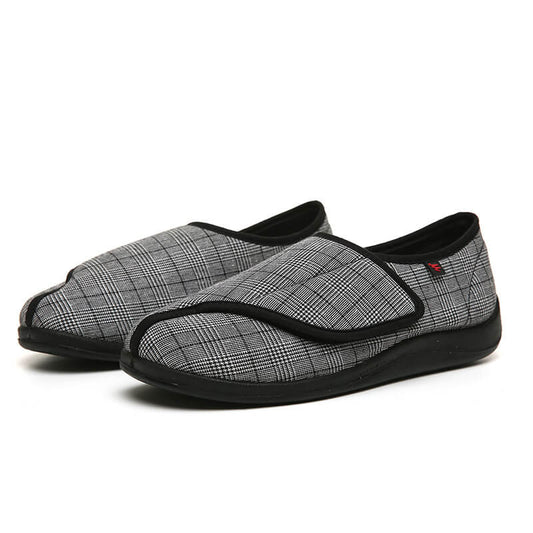
"Arthur’s Accolade": Extra Wide Adjustable Slippers for Swollen Feet
Regular price $94.99Regular price -
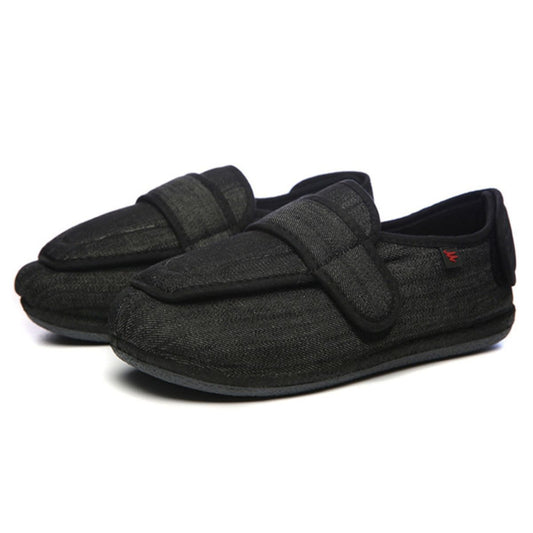
"Dylan's Day-offs": Fully Opening Canvas Slippers for Swollen Feet
Regular price $104.99Regular price -
"Eleanor's Essence" : Fully Opening Breathable Slippers for Swollen Feet
Regular price $94.99Regular price -
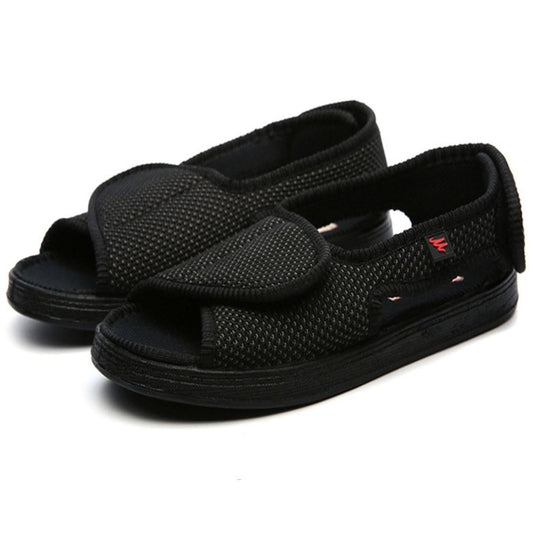
"Harper’s Haven": Fully Opening Adaptive Sandals for Swollen Feet
Regular price $99.99Regular price -
"Mabel’s Mornings": Extra Roomy Adjustable Slippers for Swollen Feet
Regular price $104.99Regular price -
"Milo's Moment": Fully Opening Open-Toe Slippers for Swollen Feet
Regular price $94.99Regular price -
"Noah’s Breeze": Fully Opening Breathable Shoes for Swollen Feet
Regular price $104.99Regular price -
"Rosie's Retreat": Women's Extra Wide Open-Toe Sandals for Swollen Feet
Regular price $84.99Regular price -
"Sam's Striders": Open-Toe Adjustable Slippers for Swollen Feet
Regular price $75.99Regular price$85.99Sale price $75.99Sale -
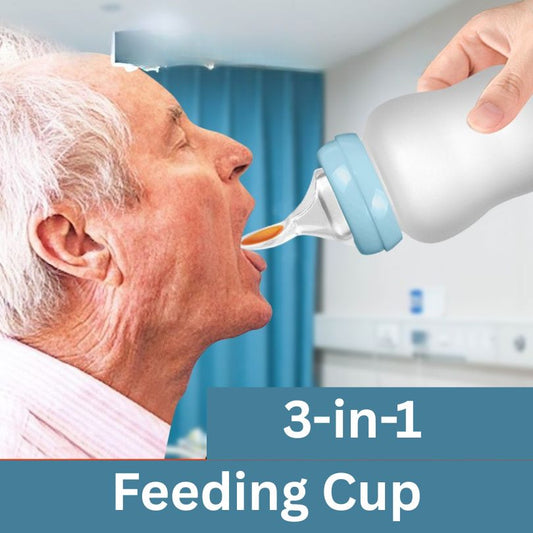
3-in-1 Adaptive Feeding Cup | Interchangeable Spoon, Straw & Nipple Spouts | Purée & Liquid Feeding NZ
Regular price $29.99Regular price -
Adaptive Dining Set | Bowl, Cup & Utensils Bundle | Independent Eating for Seniors & Limited Mobility NZ
Regular price From $42.99Regular price -
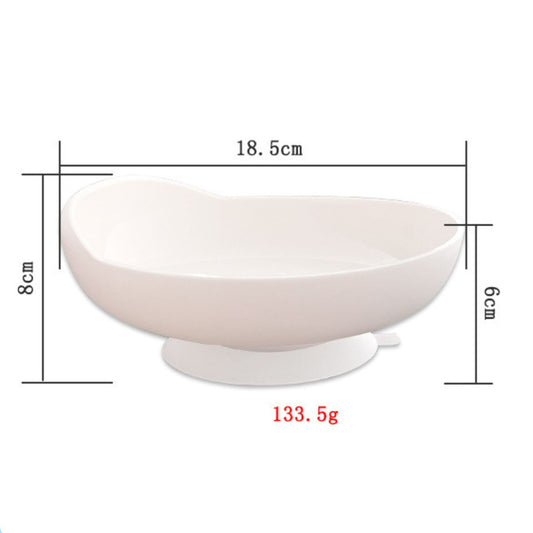
Adaptive Scoop Bowl with Suction Base | Self-Feeding Aid for Seniors & Limited Mobility NZ
Regular price $19.99Regular price -
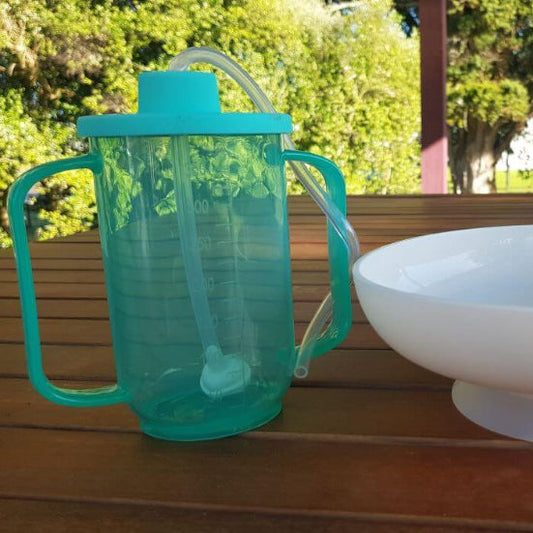
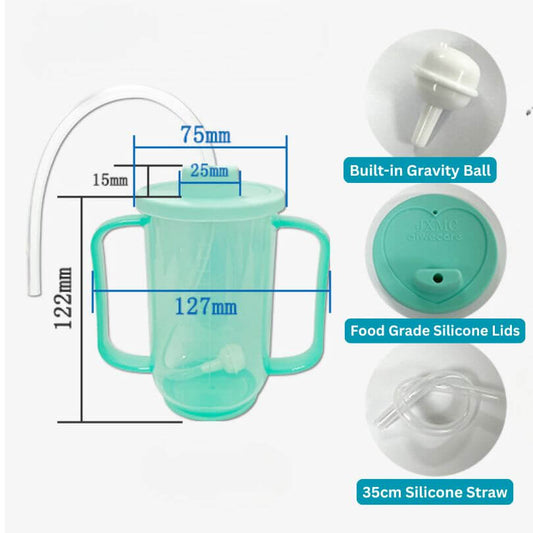
Adaptive Sippy Cup for Seniors | Gravity-Weighted Straw | Spill-Resistant 350ml NZ
Regular price $24.99Regular price -
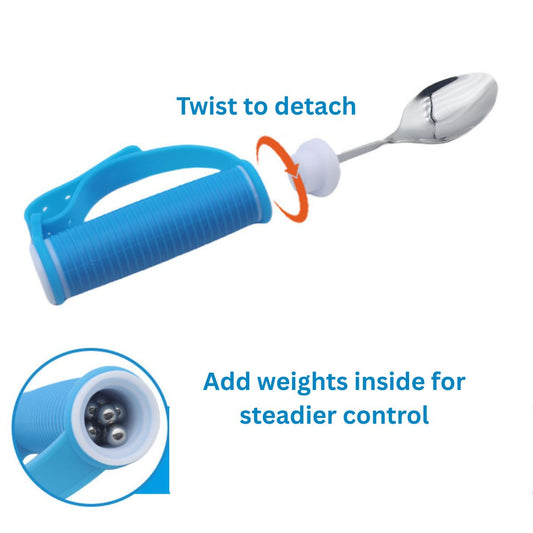
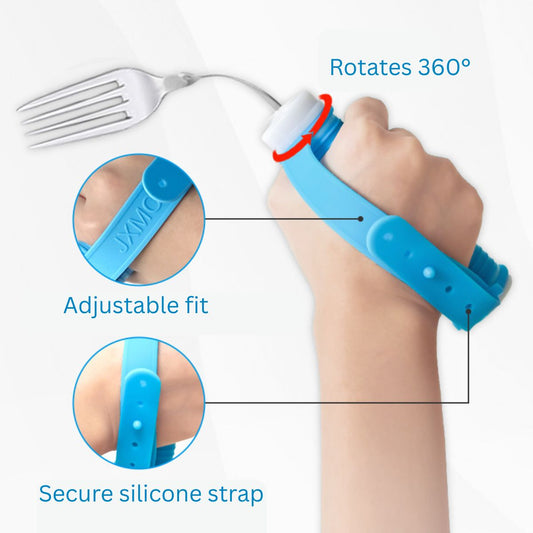
Adaptive Spork with Bendable Neck & Hand Strap | Rotating Handle | Tremors & Limited Grip NZ
Regular price $29.99Regular price -
Adaptive Utensils with Rotating Handle & Hand Strap | Bendable Spoon, Fork, Spork & Knife | Seniors & Limited Mobility NZ
Regular price From $25.99Regular price -
Add a Little Something Special
Regular price From $2.99Regular price -
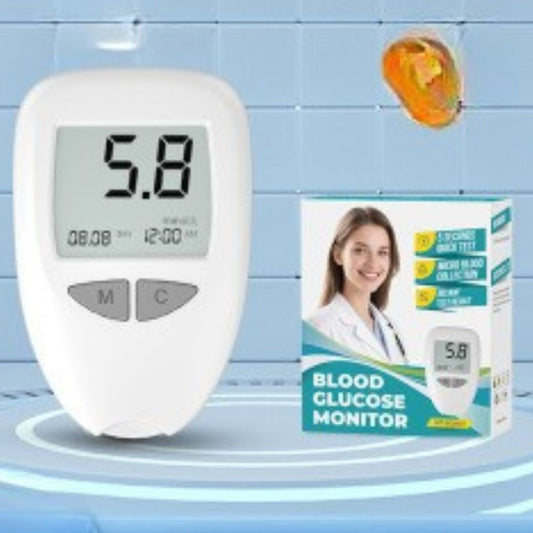
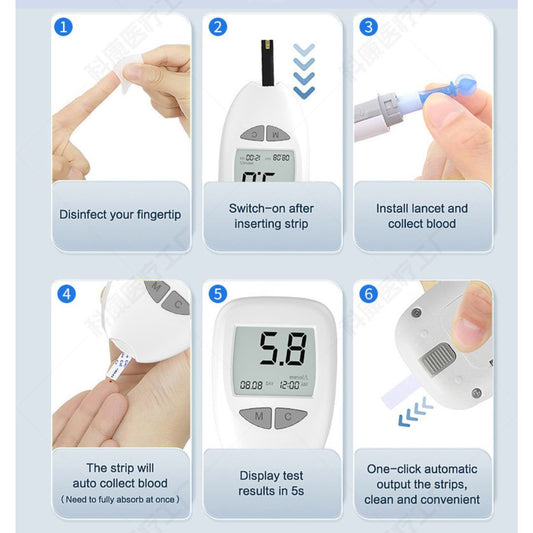
Blood Glucose Monitor: Quick 5-Second Test with Micro Blood Sampling & Code-Free Technology
Regular price $23.99Regular price -
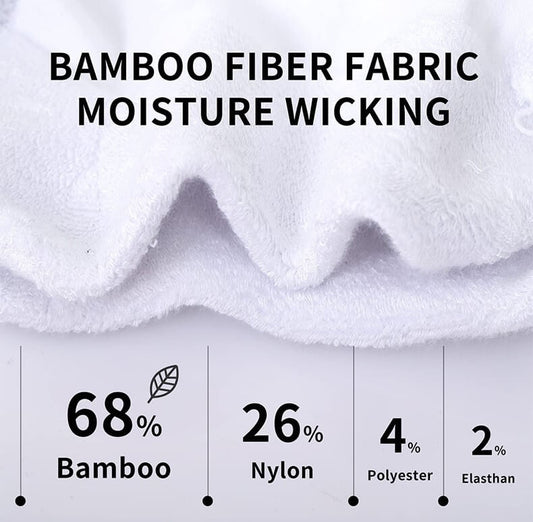
Diabetic Bamboo Sock with Seamless Toe
Regular price $14.99Regular price$19.99Sale price $14.99Sale -
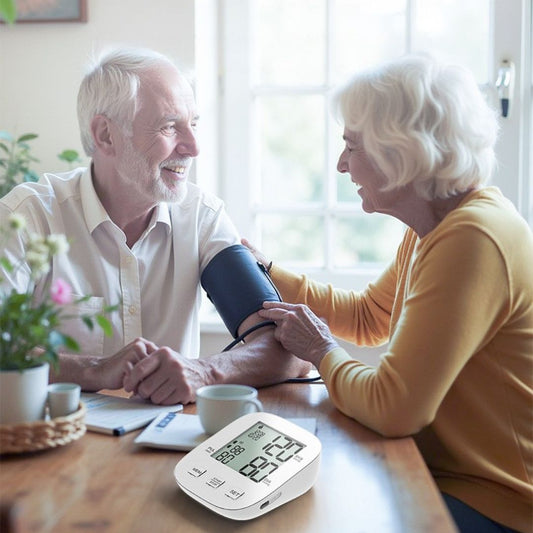
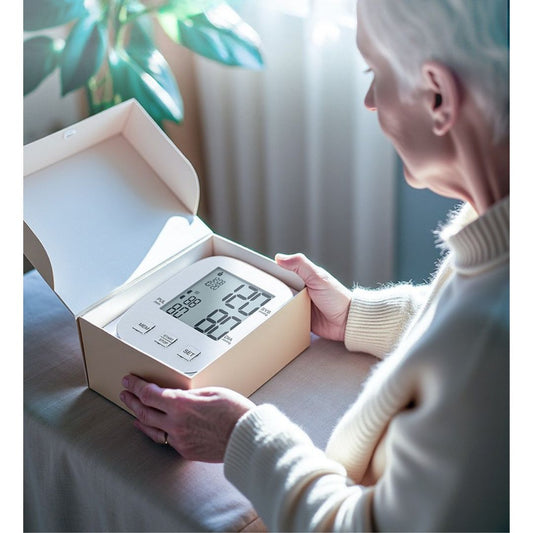
Digital Arm Blood Pressure Monitor: Automatic Pulse & BP Tracker for Home Use
Regular price $36.99Regular price -
EaseWear Gift Card
Regular price From $5.00Regular price -

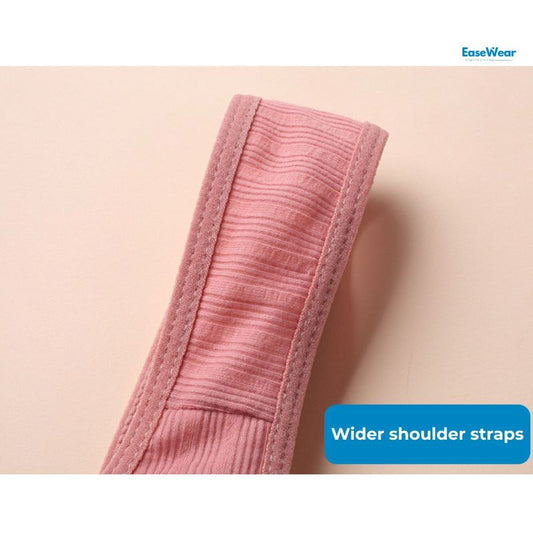
Easy-on front opening adaptive bra (zip or snap button) for seniors, arthritis, and limited mobility
Regular price From $19.99Regular price$25.90Sale price From $19.99Sale -
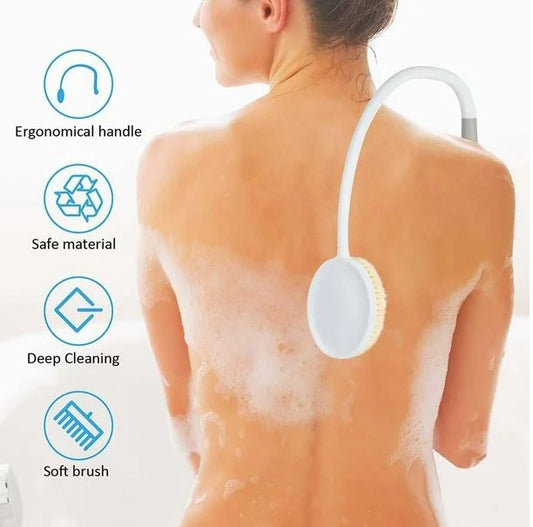
Ergonomic Long Handle Shower Brush & Back Scrubber | For Elderly, Disabled, Post-Surgery & Limited Mobility
Regular price $26.99Regular price$36.99Sale price $26.99Sale -
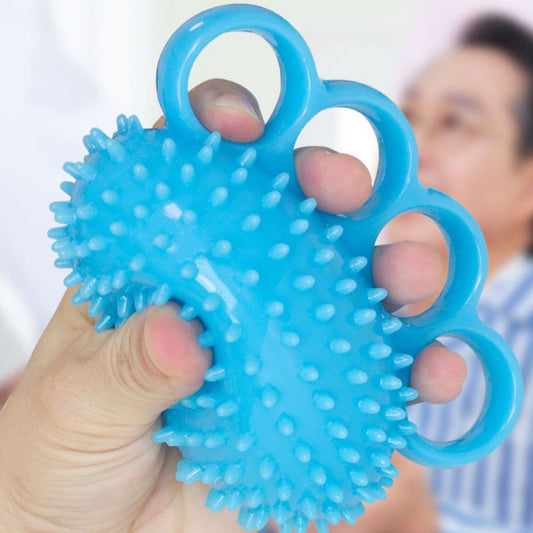
Hand Grip & Finger Exerciser Ball for Stroke Recovery & Hand Rehab - 3D Acupressure Design
Regular price From $17.99Regular price$0.00Sale price From $17.99 -
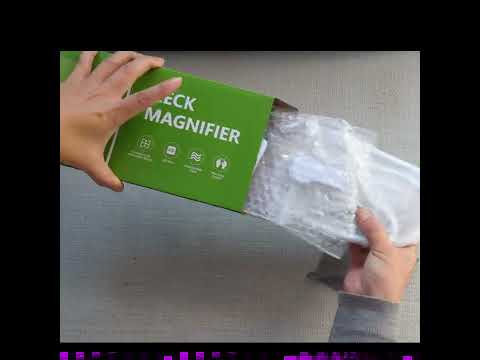
Hands-Free Magnifying Glass for Seniors | 10x HD Lens | Neck-Hanging, Tabletop & Handheld NZ
Regular price $35.99Regular price